Winter Wisdom
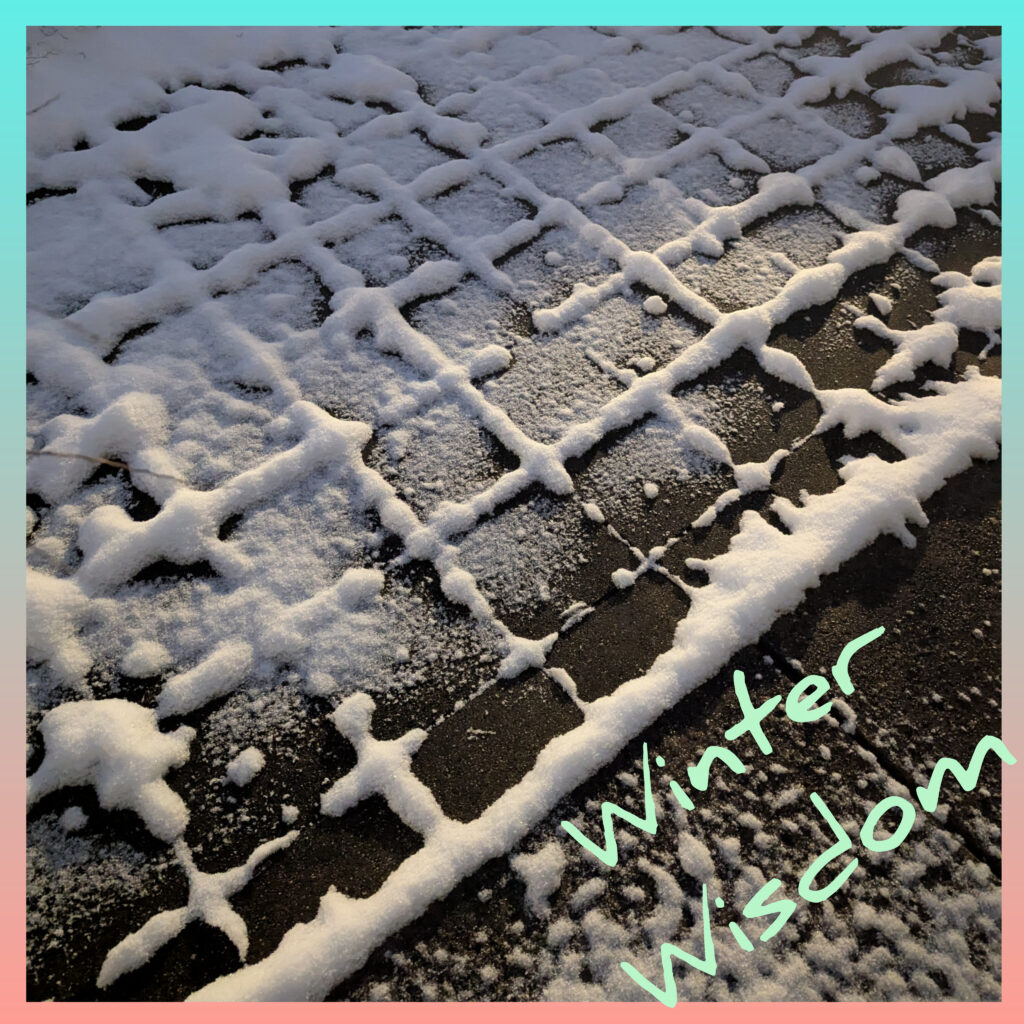
December invites us into the season of deep nourishment. While the world may accelerate with activity, planning, and expectation, nature reminds us that winter is the time to restore, rebuild, and receive. These colder, darker months ask us to step back from output and productivity and instead move toward inner replenishment.
Winter: The Season of Deep Nourishment
In nature, everything slows. Trees cease their outward reach and shift to pull energy inward to protect and regenerate life at the roots. After a flourish of preparation, the animals reduce activity. The earth quiets.
Winter invites us to recognize that nourishment is not just food—it is restoration in all its forms, Nourishment by taking space away from the mundane and normal, slowing our pace, welcoming rest, turning attention inward, and prioritizing our self-care. It is the pause that ensures sustainable growth in the next cycle.
The Four Pillars in Winter
The Winter season beautifully aligns with the four foundational pillars of Yoga Therapy and holistic well-being:
- Moving
- Resting
- Cleansing and
- Nourishing
While all four pillars are present year round, throughout our lives, winter emphasizes resting and nourishing, offering us a chance to refill the well before the new year begins. How will you rest and nourish yourself?
Winter: The Wisdom Years of Life
As we age, many of us grow white in our hair. Like the winter snow, age brings introspection and quiet, fertile ground for wisdom. As the season when outward striving softens, and deeper, quieter knowing rises to the surface, we all enter a season of Wisdom regardless of age.
Winter invites nature to conserve energy, tend to the roots, and honor what has matured through the seasons. Likewise the wisdom years invite us to turn inward, reflect, and live from the richness of lived experience rather than the urgency of ambition. In this phase, clarity replaces intensity, discernment replaces striving, and presence becomes more important than productivity.
Winter reminds us that there is profound value in slowing down, savoring the simple, listening deeply, and allowing the inner light of accumulated insight to guide the way forward. It is the life season where rest becomes sacred, nourishment becomes essential, and wisdom becomes the quiet, steady flame that warms everything.
Balancing Rajas and Tamas in December
In the Ayurveda tradition, Winter naturally increases tamas—the energy of stillness, heaviness, and inwardness. Tamas is not negative; in its balanced form, it creates stability, grounding, and rest. But when tamas becomes excessive, we feel:
- sluggish
- unmotivated
- foggy
- withdrawn
- overwhelmed by inertia
At the same time, the holiday season can overstimulate rajas—the energy of movement, activity, ambition, and outward focus. Rajas, in balance, fuels healthy engagement, enthusiasm, and action. But excessive rajas can show up as:
- anxiety
- restlessness
- overcommitment
- emotional reactivity
- feeling scattered or burnt out
December, therefore, becomes a unique energetic landscape: tamas rising with the season, rajas rising with the culture. The two can clash internally unless we cultivate mindful balance.
Yoga Therapy teaches that neither rajas nor tamas is “good” or “bad”—they are simply energies that need harmonizing. December is the ideal month to practice this balance.
Balance Excess Tamas in December
When tamas becomes too heavy, we need a little spark of rajas—not frantic energy, but enlivening, intentional movement.
Supportive practices:
- Gentle morning movement to wake the body
- Breath practices such as Kapalabhati or gentle Ujjayi (if appropriate)
- Exposure to natural light early in the day
- Maintaining a consistent wake/sleep rhythm
- Warm spices and nourishing foods that stimulate without overstimulating (try golden milk, a blend of warming spices and ashwaganda with your favorite milk alternative)
- Short, intentional bursts of activity to lift the fog (laughter, anyone?)
- Connection with community to prevent isolation and loneliness
Balancing tamas is about cultivating warmth and vitality while honoring the need for rest.
Balance Excess Rajas in December
When rajas spikes, we need to ground, slow down, and steady the system, rather than trying to outrun the agitation.
Supportive practices:
- Long, slow exhalations (extend the exhale to calm the nervous system)
- Restorative and gentle yoga (try moving in and out of postures with slow mindful transitions)
- Forward folds and hip openers to draw energy inward
- Warm, unhurried meals
- Simplifying commitments (What can you say “No” to?)
- Turning off screens earlier in the evening
- Nature walks in silence
Balancing rajas is about softening the edges so the body and mind can settle into seasonal stillness.
The Sweet Spot: Sattva
When rajas and tamas find balance, we settle. We experience sattva—clarity, peace, presence, harmony.
Sattva in December feels like:
- moving with purpose, not pressure
- resting without guilt
- engaging without overextending
- savoring the slowness of winter
- creating space for self-awareness and nourishment
Think of sattva as the gentle glow of a candle—steady, warm, bright enough to guide you, soft enough to soothe you.
Practice Pillars to Cultivate Balance
The four pillars of yoga therapy—moving, resting, cleansing, and nourishing—serve as compassionate parameters for practice, gently guiding us toward balance and well-being. Rather than rigid rules or prescriptions, these pillars function as touchstones that help us understand what the body, mind, and nervous system need in any given season of life. They remind us that practice is not only about effort or progress, but about responding wisely to our inner landscape.
In honoring the pillars, we learn when to activate and when to soften, when to release and when to replenish, creating a rhythmic, sustainable approach to yoga (and life!) that honors the whole person. Whether we are navigating the inward pull of winter or the outward expansion of other seasons, the foundational pillars offer a clear yet flexible framework for living in alignment.
How can you practice Wisdom this month as a sacred season of introspection and reflection? How can you fret less about doing and concentrate more on resting and nourishing?
Moving for Rest
Movement in December is gentle, grounding, and stabilizing. Instead of intensity or achievement, we seek to:
- calm the nervous system
- collect scattered energy
- reconnect with the body as home
Suggested poses:
- Supported child’s pose
- Gentle twists
- Low lunge
- Goddess pose
- Forward folds
- Legs up the wall
- Constructive rest
Rest serves as remedy, not luxury. Restorative yoga, afternoon pauses, and slowing the pace of life all become expressions of respect for the season and the self.
Cleansing & Nourishing
In winter, cleansing does not mean purging—it means simplifying, with kindness and wisdom. Cleansing creates space for nourishment.
- Letting go of extra commitments
- Releasing old stories or inner pressures
- Clearing out routines that drain instead of support
Nourishment then becomes a practice of:
- Warm, grounding foods
- Time for silence
- Breath that soothes and steadies
- Practices that build/restore inner strength
- Gentle daily rituals that remind us we matter
Integrating Practice into your Day
Morning:
A few minutes of slow movement or breathwork to awaken rajas gently and reduce heavy tamas.
Midday:
A grounding moment. Enjoy 5 deep breaths, a warm drink, a pause to soften excess rajas and rebalance the nervous system.
Evening:
Restorative postures or Yoga Nidra to nourish tamas into healthy stillness and deep rest.
This rhythm—spark, steady, settle—mirrors nature’s winter cycle and supports emotional, physical, and energetic balance as nourishment not just for the body, but for the heart, mind, and nervous system.